x



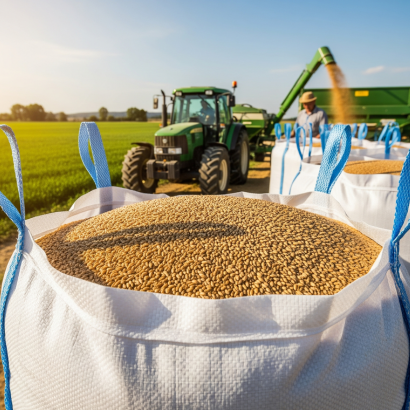
Agriculture ranks as one of the heaviest users of FIBC bags for storing and transporting various products. FIBC bags are used for packing grains, seeds, seasonal produce, and all different harvests—whether they are wet, dry, granulated, or fine-powdered.
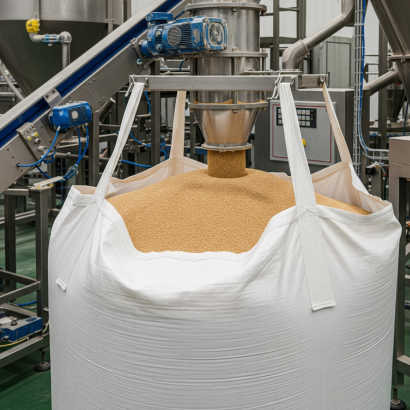
FIBC bags are crucial for transporting bulk ingredients such as sugar, flour, rice, and spices in the food processing industry. They ensure hygiene, prevent contamination, and provide secure storage and transport solutions for food-grade products, meeting health standards globally.
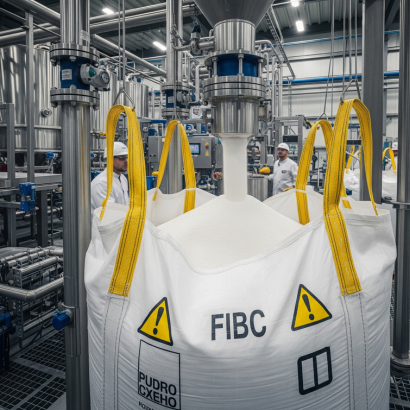
The chemical industry handles hazardous goods that require careful packaging. FIBC bags, particularly Type C and Type D, are preferred for their antistatic properties, leakproof seams, and dust-proof linings, ensuring safety for both employees and the environment.
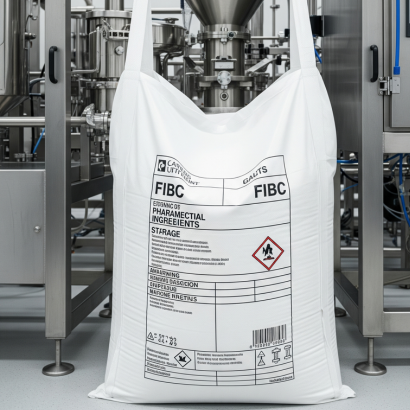
Pharma-grade FIBC bags are designed to prevent contamination with anti-static properties and internal linings. Their sterile manufacturing and strict hygiene standards make them ideal for safely transporting pharmaceutical materials.
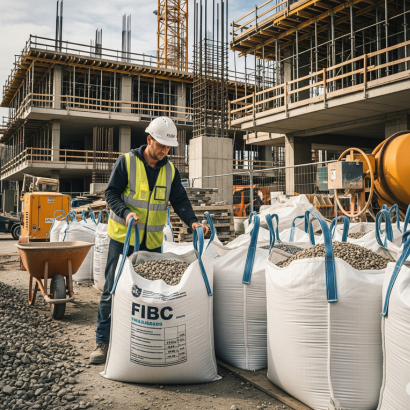
In the construction industry, FIBC bags are used to store and transport materials like sand, gravel, and cement, offering secure packaging and protection from environmental elements.
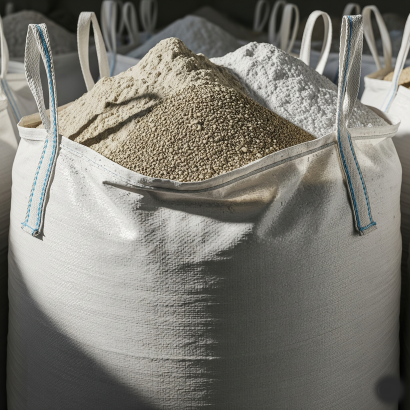
FIBC bags are ideal for transporting minerals and powdered substances, providing secure, cost-effective packaging that protects sensitive materials during transit.
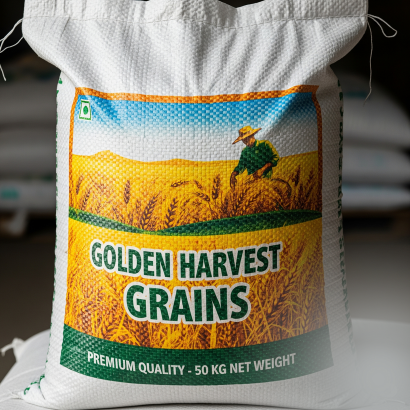
For storing and transporting grains, rice, wheat, sugar, pulses, flour, maize, spices, animal feed, seeds, and other agricultural products.
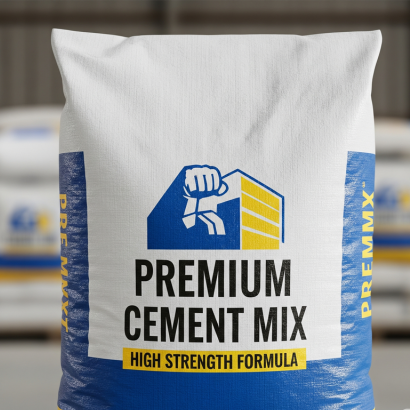
For packing cement, sand, gravel, concrete mix, lime, gypsum, and other building and construction materials.
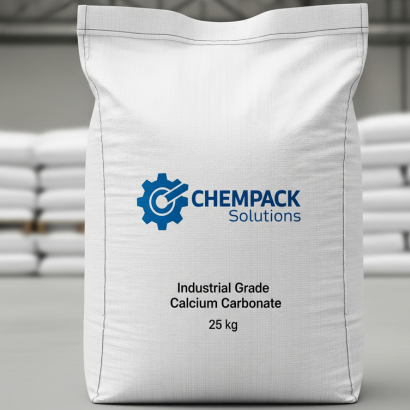
For packing fertilizers, minerals, resins, salts, polymers, powdered or granular chemicals, and other industrial raw materials.

